Showing posts with label art school. Show all posts

Sunday, March 29, 2020

Art Student Questions

Every once in awhile I get a student that asks the 'ole How to Be An Illustrator Student assignment questions. Not gonna lie, it's frustrating that I'm basically doing the job of what a college professor should be supplying at an Art learning institution. It's a lazy assignment, and students should call out the professors for making professionals take time out of their lives and careers to do an educator's job.

This particular person was sincere, and I don't know if it was actually the assignment so much as simply a message of I Need Help.

So I'll provide some things that have helped me personally and this can hopefully work as a FAQ that I can simply link to people to in the future.  (I also answer a couple of those assignment questions in the FAQ section on my portfolio site here https://www.kimherbst.com/faq)

- How did you get into illustration as a career (how did you go about getting jobs)?
I got into illustration over the course of many many years after graduating from college. I actually have a career in video games which helps me out financially (and hey this is okay! I don't know too many that do Freelance 100% full-time without teaching or some side job), so I do illustration on the side, either commissions, gigs from companies, or personal projects.


So, first and foremost every illustrator needs a well curated online portfolio. It should only have the best of the best of your pieces in it, usually 8-15ish is a good range. You can find lots of easy templates these days (vs the old days where you'd have to learn to code the site yourself and get lots of headaches...oof). Squarespace, Wordpress etc are great examples - You want the site to strictly be you, vs having something that isn't as curated like DeviantArt, or Tumblr (where someone can see your Favorites, followers, and so many other distracting things from your own work). The portfolio should show what you're capable of, and demonstrate what sort of work you're interested in illustrating for (ie: are you interested in editorials for magazines and newspaper articles? Or children's books? Or comics? etc).


 From there, I create a promotional mailer like a postcard, with my name/email/site information on one side and a sample illustration on the other side.  I'll get 100-500 cards printed up of the design, and then start to put together a list of addresses of Art Directors who work at places I'd like my work to be in (using a TON of google, as well as looking in physical books/magazines, which will list mastheads in the front, with an Art Director or Creative Director's name, and mailing address for their company). I make sure these companies and publishers are in line with my style of work (ex: I'm not gonna send my more comic/flat-graphic-looking art to a place that likes fully rendered super realistic Sci-Fi style-only art).  This is pretty old school, but a lot of art directors still like the mailed postcard method. It's a physical piece of work that they can hold on to, pin over their desk, or keep on hand, compared to simply saving a website URL and forgetting about it. I used to do this a few times a year but now I'm lucky if I get time to do it 1x a year (too busy, too lazy!! Bad work ethic!) Outside of that, cold-emailing places can work, and then simply posting work to social media to get people to see your work and improve over time. I find it helpful to follow other professionals on Twitter or Instagram, they give a ton of insight into building your career from their own experiences.

Some sites that offer more information on this: 
https://dearartdirector.tumblr.com/  - Dear Art Director is a group of anonymous art directors who answer Illustration questions, and give honest answers. Incredibly helpful for illustration careers.
https://illustrationdept.com/podcast Illustration Dept podcast - can listen to some in-depth talks with professional illustrators  
https://www.hireanillustrator.com/i/  Hire An Illustrator - tons of info on how to hire artists, career advice, what royalties vs advances are, etc etc. This is also a service I've used in the past (paying a yearly or monthly fee) as HAI will send out promotional mailers or emails to potential projects with portfolios that the site runners feel would best suit the project.  Tons of example portfolios to peruse through for inspiration, and generally get lots of good ideas/places where you can have your work published.


- Did you find your degree useful when you applied for jobs or were contacted by clients? I have heard conflicting things about getting an art degree.
This is.... tough. I do genuinely feel my degree was immensely helpful, but MICA had classes that greatly prepared me compared to so many other Art institutions at the time. We had a senior year class that was dedicated to portfolio building, and creating the marketing promo material postcards I discussed above, as well as writing Illustration Contracts for jobs, and generally how not to get screwed over by clients. Not many other schools (at least when I graduated in '06) really focused on that, and it was terrifying to hear that, especially with how much higher education is costing these days. Another thing is, when I first graduated my drawing hand was NOT remotely where it is today, and I hadn't fully grasped the concept of Illustration as a whole until a few years after. So a lot of my drawing practice came-AFTER the school part, but the job-hunting prep was certainly useful.

 School can be a great place to bounce ideas off others in the class, but it's mostly dependent on how much you put into it yourself. It's a two-way street, and sometimes we're really lucky and get an INCREDIBLE professor who can help hone our skills and guide us, and other times we get a professor that's just there for the paycheck and puts minimal effort in. It also is dependent on how many hours we dedicate to our craft. Talent can take you an inch but constant practice and hard work will get you to the other side of the universe in comparison (I say this as someone that took like 10 years to really get into her own stride). 

I will say, there are SO MANY online resources for students these days though, that can be cost-effective. Skills share classes, Bobby Chiu's Schoolism (https://www.schoolism.com/), Baltimore Academy of Illustration (http://www.baltimoreillustration.com/), Ctrl Paint (https://www.ctrlpaint.com/) are just a few great online learning resources as examples. To adequately age myself, YouTube didn't even exist when I graduated college. Now we've got tons and tons of drawing techniques and process videos that we can take in and learn from, it's awesome. Even tutorial videos to learn new software (and software that now can be more cost efficient like Clip Studio Paint, or Procreate, etc instead of constantly relying on only Adobe products). 


I can talk a bit about my video game career, because it's gone hand-in-hand with my illustration career. I got into games by rapidly learning how to do 2d animation in Flash (now known as Adobe Animate, and wow I feel old) along with digital artwork. That basically got me a step ahead of most other artists because it was one extra skill-set that not everyone had, and I was specifically hired full-time for it at my 2nd game job. I also thoroughly enjoyed it because I've always loved animation (but felt an entire career in animation would be incredibly daunting). This has evolved to me working full-time in Mobile games doing concept art, animation, and art direction, with 13 years of experience at this point. It's helped me learn how to work with others, not get offended if my work needs to be revised (NUMEROUS times), and do lots and lots of visual problem solving which helps in the Illustration career. 

What I mean by visual problem-solving is say you're given an illustration job to create a particular sized digital banner, how do I go about making sure all of the basic information is presented so it's readable at its size? How do I go about making sure the composition is strong, and leads the viewer's eye around the entire piece, or how do I make sure the eye is drawn RIGHT to the area I want everyone to focus on? All of this gets done a lot while working in games, so I felt I could use it to help strengthen my illustration career as well, just making sure the two sides kept helping bounce off one another. 


- Any other advice for a fledgling artist??  
Draw, a LOT. Make sure to keep practicing, and make sure to use references. References are an illustrator's best friend!! A lot of non-artists got this weird issue with references and made artists think it was "copying" back in the day and frankly that's all wrong. 

 
 By references I don't mean just sit there and copy precisely what you see (that can certainly be helpful to make studies from, and that's okay), or make it look photographic-accurate. I mean, see how things look, or take photos of yourself if you need a specific pose, and use it as a guide. It helps to nail down how things work, like anatomy, or how fabric blowing in the wind looks vs how it drapes against something, how to make things look properly weighted in a space, and so on. Make sure you're working with believable perspective if it's got a background on it. Plan portfolio pieces out, make a couple different thumbnail sketches to figure out the layout of your piece, before diving into it completely. All illustration comes from the basics in drawing lessons, and flows out from there! 

(One great illustrator, and someone I highly admire, Yuko Shimizu, shows all of her processes of her illustrations on her site, starting with the finished piece, and as you stroll right, you can see her different thumbnail sketch layouts, then the work she puts into making the entire thing http://yukoart.com/work/oscar-wilde-fairy-tales/#main).

Final advice is: Try not to get too defensive about your own work. I used to get very angry and give the excuse, 'but that's my style' when people would point out the weaker parts of my anatomy in my drawings. Instead I should have focused on simply improving my drawing hand, taking in the information, instead of trying to settle on 'my style.' I started using more reference, attending local figure drawing sessions, and improved the anatomy in my own work. 

From my experience, you don't have to listen to EVERY criticism that comes your way, but if you hear the same thing from like 5 people? I'd stop and actually listen, and take the time to practice improving that skill!


Friday, February 28, 2014

Professional Illustration Career - interview

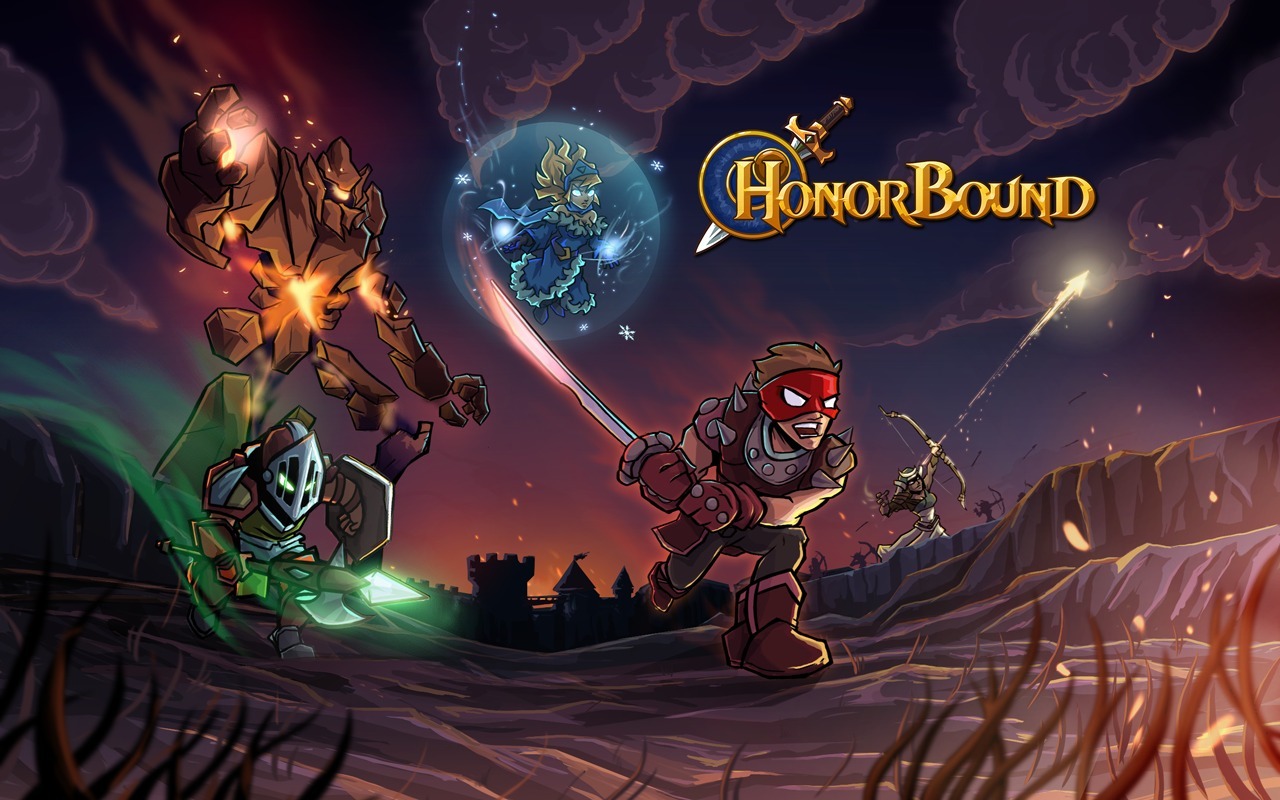
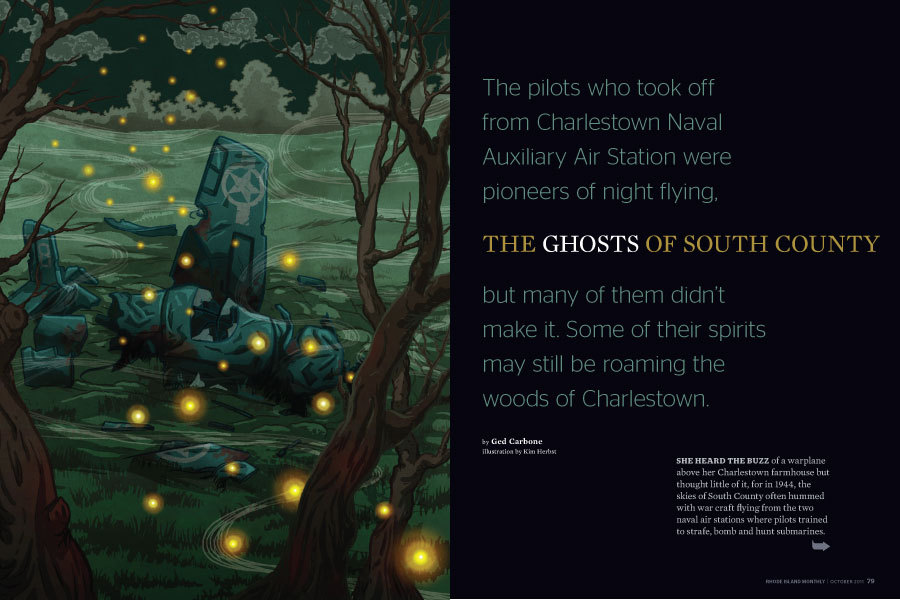
(first two images are from freelance, 2nd two images are from full-time)

A senior from Midlothian High School recently asked a few questions about my profession as she is also going into illustration.

1) Would you briefly describe your educational background?

I attended public High School in South Brunswick, NJ where I focused a lot of my electives/extracurricular activities around art classes (drawing/painting/portfolio preparation and AP Art History). Afterwards I attended the Maryland Institute College of Art, and graduated with a BFA in Illustration. I’ll be honest in saying that my portfolio when I first graduated was severely sub-par and took me awhile to really grasp my education and put it to proper good use!

2) What sort of courses/educational preparation would you recommend for someone looking to be an illustrator?

I think there are many paths an illustrator can take, I personally attended a college that had a fairly great Illustration department while I’ve known other colleagues to be self-taught with help from online courses (Gnomon, CG Society etc) or studying from art blogs like Muddy Colors, or Animation Mentor and so on. If you choose the college route, check out the work that’s there from the professors as well as the current students. If you feel personally challenged by the quality of the work and see a lot of successes coming out of it, then it’s probably a good school with good direction with a good Illustration program.   My personal recommendation overall is practice drawing everyday. Taking life drawing classes or painting classes, and understanding the basics of light, color, form, and composition is a great start. Getting the basics down really helps to start to understand the more complicated parts of illustration. Don’t worry about your own personal ‘style’ yet and focus on learning in general - your style will come through no matter what you do in the end (whether you like or not)!

3) What do you find enjoyable about your job? What do you find challenging or negative about it?

I sort of have two jobs, and are completely different worlds from one another. I’m a freelance illustrator, but I also have a full-time job drawing (and sometimes doing animation) for mobile games. These two jobs definitely fight one another a lot. It’s freedom and instability for one, and stability, with stricter rules for the other.  When I receive a gig for freelance illustration, I generally have a lot more freedom with the concept, and style. I’m contacted by an art director because they love my personal illustration work and that’s precisely what they’re looking for.  It’s a really great challenge to come up with witty imagery for a magazine article or for a comic book cover and sometimes an art director will let you just roll with whatever ideas you present to them.  On the negative side, freelance illustration can be very random and unstable. It could be days, weeks, or months before the next project comes along. You have to work hard to sell yourself.  This is where the full-time job comes in. My full-time job in mobile games provides a stable paycheck but can come with a price. Working a full-time art job in games means that you sometimes have to draw in a completely different style than your own. You also have much less flexibility when it comes to concepts. But this provides tons of great challenges as well, and shouldn’t be seen as a negative thing.  Learning to draw in different styles from your own can give a ton of insight for your own work, and lets you think in really new ways that you may never have discovered on your own.  The only negative part is that a full-time job can eat into the time of the freelance job since you’re there five days a week!

4) How did you get your start in illustration?


After graduating from MICA, I actually struggled quite a bit to find freelance work, mainly because my portfolio was pretty sub-par at the time. I really didn’t push myself hard enough while in college, and didn’t have the time to experiment with new media (especially digital, I used to make horrible watercolor illustrations!). I started off doing small freelance gigs here ‘n there for tiny no-name companies and publishers  after mailing promo-cards, cold-emailing, and cold-calling every art director I could find that would potentially want to use my work.  Two years after graduating, I opted to go into video games because I wanted stability (and health benefits) and because I loved playing video games myself. I worked for a small games studio in Brooklyn, NY for nearly 2 years while simultaneously promoting my work as a freelance illustrator.  I was actually quite unhappy doing games for larger companies like Mtv, VH1, and Nickelodeon because a lot of the games didn’t require any concept art - we were given existing assets. I decided to take the plunge and try to do only freelance in 2009 but it was at the same time as the economy crashing and was poorly timed. I spent 8 months building up my portfolio with my own personal work, and handing it out across the internet. It ended up having a bit of a snowball effect. People saw it, it was shared thousands of times over sites like reddit, imgur, and art blogs, and that piqued peoples interests. I finally had Art Directors contacting ME instead of vice versa.

5) What is the advancement potential in your field? Did it take long to make a name for yourself?

I’ll admit it took longer than I wanted to make a name for myself but it was utterly worth it. I feel a bit more confident about my work than I did when I first graduated college, and I should say, I feel… more deserving? of having a name for myself after about 4 years, but still incredibly lucky.  There’s tons of advancement, for both my freelance career as well as the mobile games career.  I generally say that I haven’t ‘made it’ until my personal work is plastered on advertisements in multiple countries, so I still have a long way to go to get my work seen as much as possible!  As for mobile games, I’ve advanced to not only create artwork full-time as a career, but I also lead and help direct a team of other artists beneath me. That in itself is a huge learning process and very fun!

6) Do you find that there are too few people entering illustration, or too many?

I believe there are actually tons of students entering illustration these days, but with good reason. Commercial art is so much more vast than it was years ago, even if they say ‘print is dead.’ Magazines and newspapers are being read on tablets and phones, and they still need our  imagery to accompany those articles. Children’s books are beginning to have animations added to them as well.  Video games and film production are incredibly prominent and need concept artists for their backgrounds and characters. Are there too many students? Possibly. I think there are a lot of individuals simply being handed a diploma and are not thoroughly prepared to jump into a career in illustration, so they might struggle for a long while. I think I lucked out that I was forced to make a website, a business card, promotional materials, and had knowledge of the business side of illustration tucked under my arm when I left school.

7) What skills are required of you in a typical workday?

A typical workday can have me under immense amounts of pressure to hit a pretty hard deadline (sometimes a few hours to get a whole piece done). Making quick decisions and hoping they’re the right ones for colors, compositions, themes, etc. Enormous amounts of multi-tasking as well for the mobile games job. I need to decide what will look best within the limitations that I’ve been given (correct image size, or working with limited colors and so on).

8) How many hours on average do you work in a week?

Tricky question! I feel like I work ALL hours of the week, but thoroughly enjoy a lot of it. My full-time job is 9-6pm 5 days a week, but I come home and draw for about 2 hours extra every night for practice and relaxation (or if I have a freelance gig), sometimes going until about midnight, and if not, I try to catch up on that over the weekend.

9) What sort of future do you see for the field of illustration?

I see illustration growing more and more. Advertising is always around, and technology is making it easier for people to view things at an exorbitantly faster rate, although with a much smaller attention span. I think a lot of illustrators will end up having to move to digital media more often than not. Time constraints are a lot more intense these days for getting things done. It’s not necessarily a bad thing, but learning Photoshop/Illustrator and even Flash or another small animation program can greatly get you ahead.

10) If you were to start again, would you change your career path in any way?

I don’t think so! I’m quite happy with what I do though I wish I pushed myself harder towards the end of my education. Maybe try and be a bit easier on myself these days? For a long time I felt like a complete failure because I don’t do freelance illustration full-time. I couldn’t handle the stress of never knowing when the next job would come. After college, I felt my professors put such an emphasis on editorial illustration vs. any other types of careers in illustration, it was like I put blinders on and didn’t want to consider anything else for myself. I’m very happy working on games, and then getting to work on my personal style while being paid for it is just a great added bonus.

11) What is a reasonable salary range to expect in this profession? What is the long term potential?


Freelance illustration can widely vary, depending on what sort of clients you’re working with, or how big the projects.  I don’t think I could give a clear amount on that, but for some, starting off small and building up can take years to get somewhere comfortable (I think the average can be around $20k-50k). Doing illustration in the tech industry, from my experience, can be incredibly lucrative, though it depends on where you go. I’ve seen junior artists start at $35k in NYC, and not really go anywhere, while artists that work in the games industry on the west coast start at $65k and up. Lead artists on game teams can easily make six figures. There are two sides to this. While it can take awhile to get your salary where you want with freelance, you may struggle for a longer time, but you will be working in the style you enjoy with a lot more freedom such as working from your home studio, during whatever hours you work best, on a variety of projects from day to day.  The full-time route has you potentially working during hours that you might not be comfortable with, on projects that are longer and less in your control, but you easily save up money. After working a few years, it’s completely reasonable to take time off/quit your job, and try to pursue a particular dream. It might be put on hold for a bit, but it’s definitely obtainable with the money you save.  The long term potential to both of these is you get to do what not many people in the world get to do: be paid to do what you love.